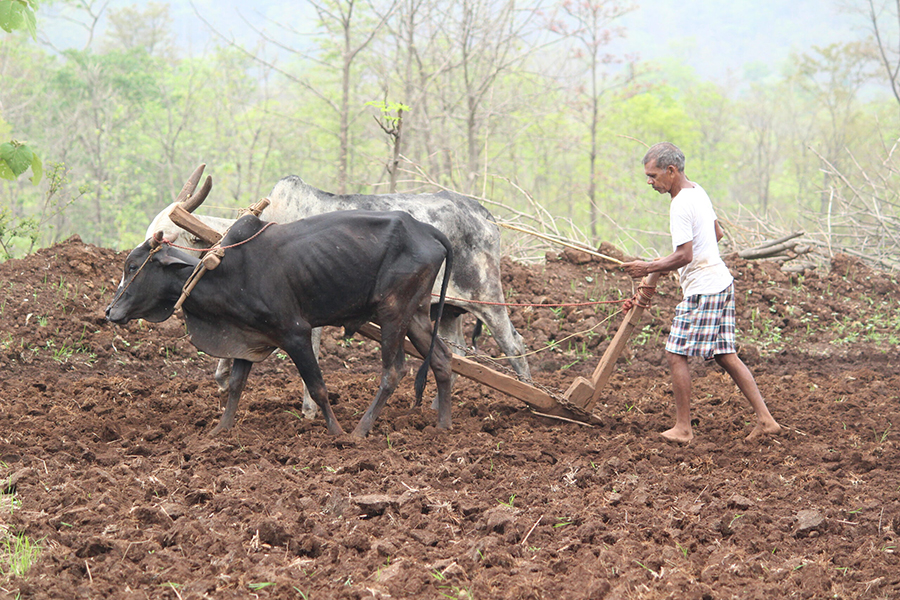
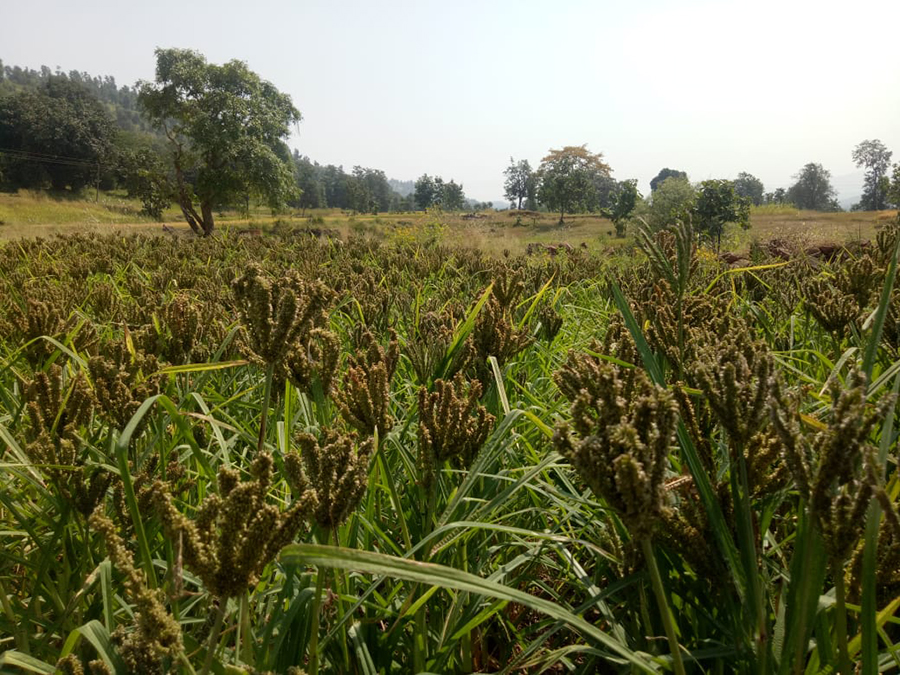
Nagali - also known as Ragi or Finger Millet - has long been a staple in the diets of Adivasi communities across Maharashtra. Rich in nutrition and deeply linked to food cultures, it is a hardy crop suited to hilly, rainfed terrains. However, in recent years, the productivity of Nagali had declined significantly, making it increasingly difficult for farmers to sustain its cultivation.
In response, Pragati Abhiyan launched the ANAVIKA (Adivasi Nagali Vikas Karyakram) programme in 2018 as a pilot initiative to improve Nagali cultivation. With technical guidance from the Revitalising Rainfed Agriculture Network (RRAN) and programme support from the Tribal Development Department, Government of Maharashtra, the programme expanded into a full-fledged project from April 2019 to March 2022.
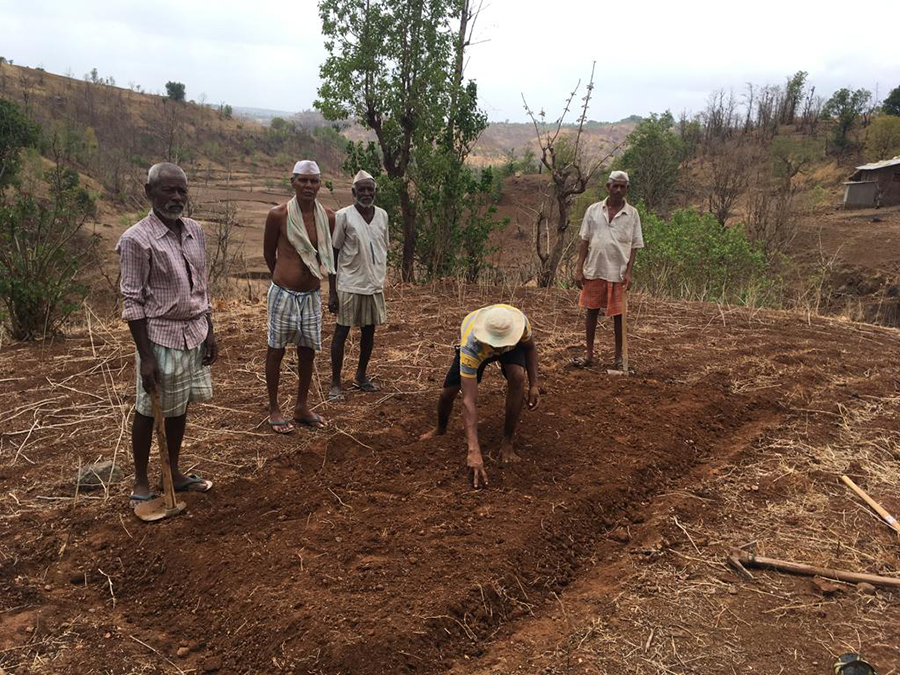
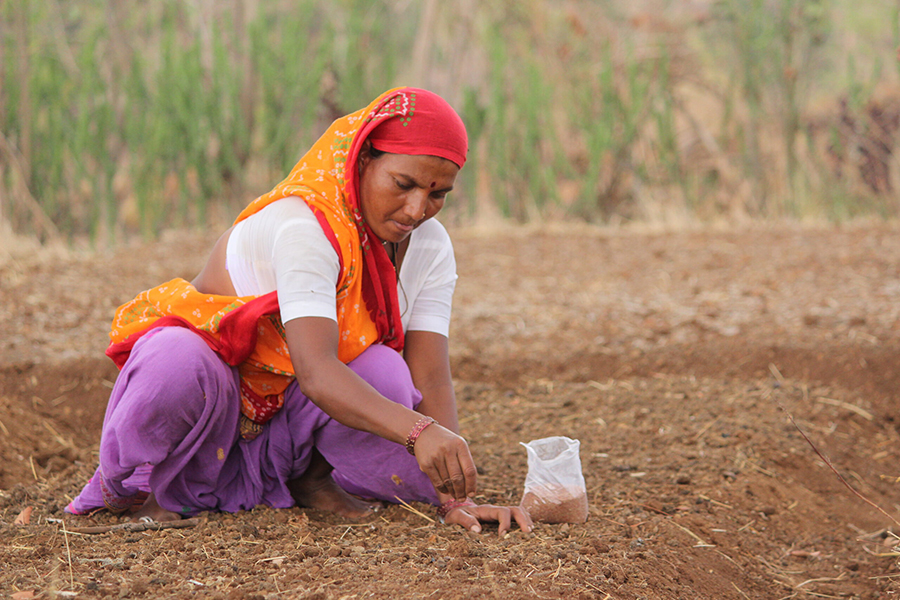
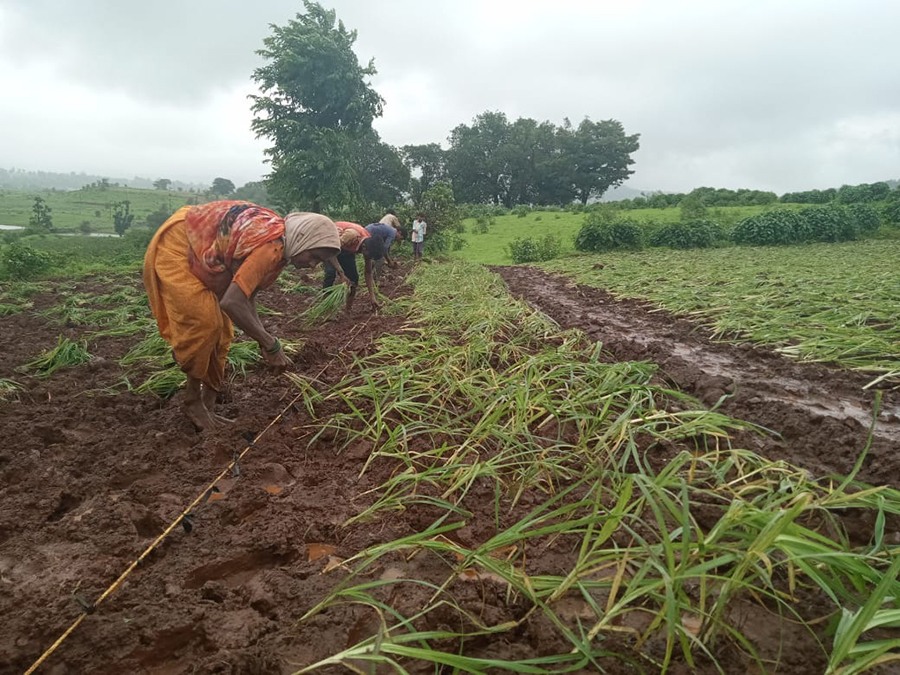
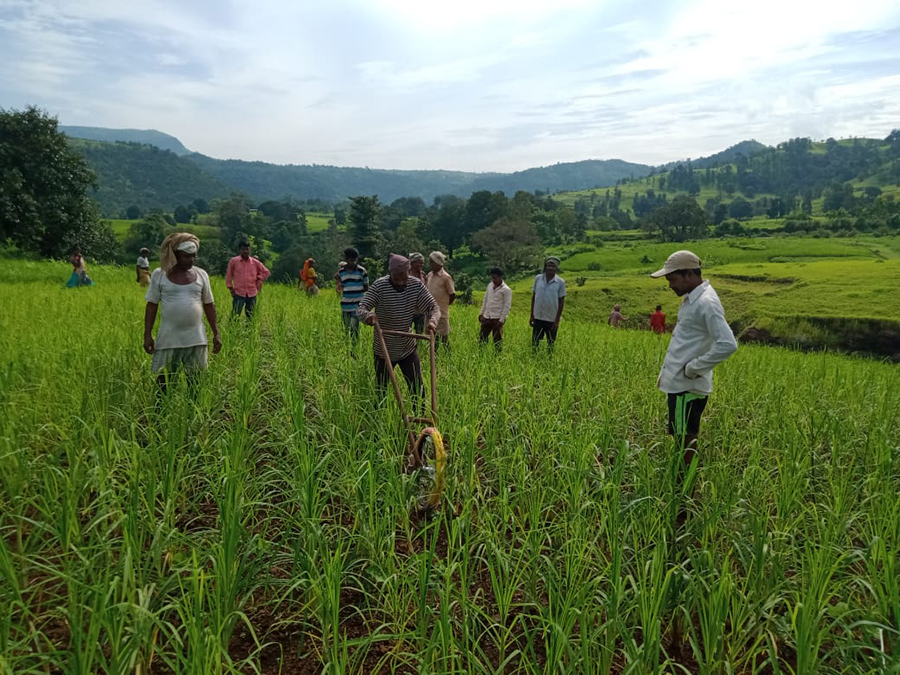
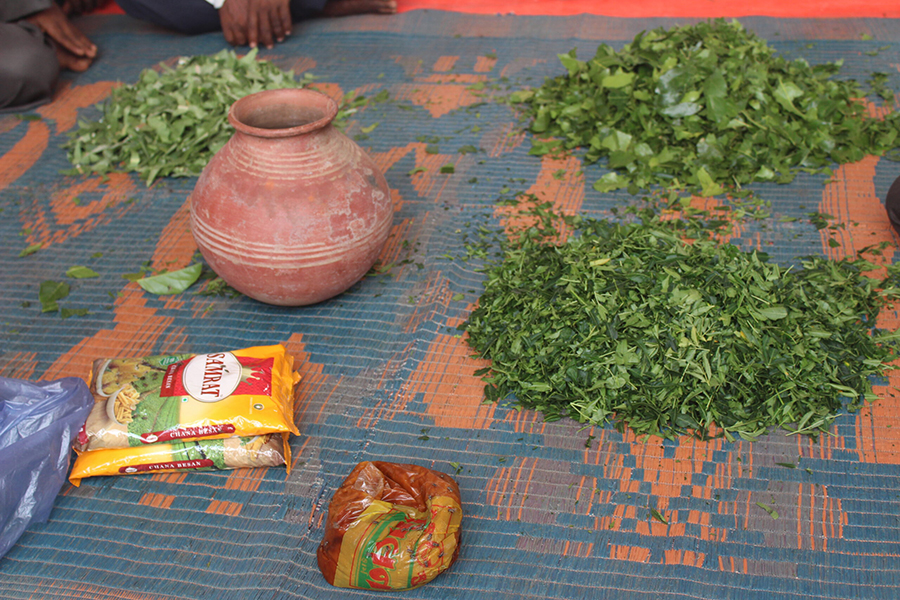
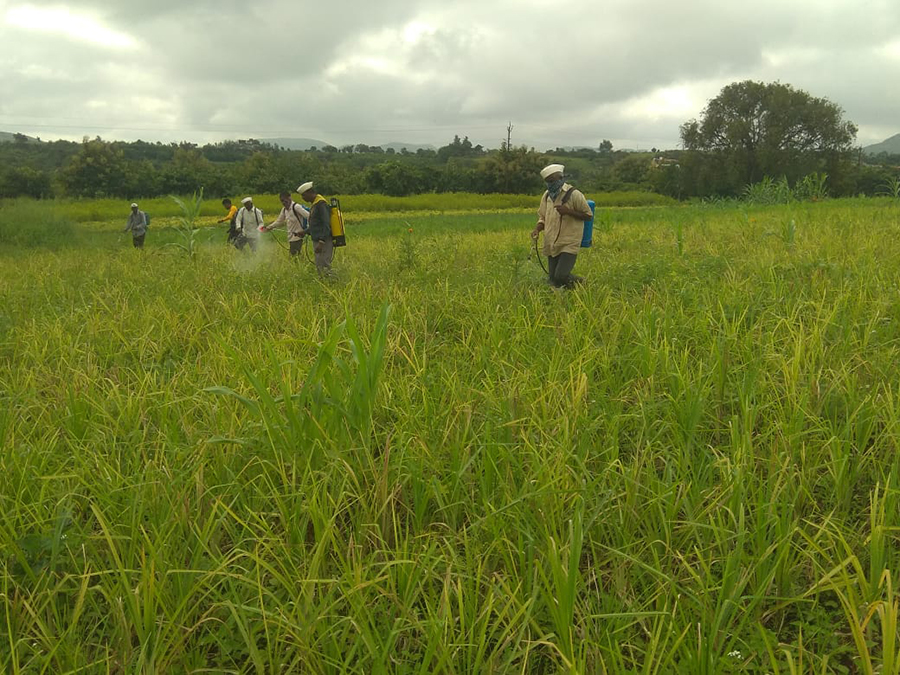
The initiative reached over 2000 farmers across 7 blocks in Nashik, Palghar, and Thane districts. Community outreach was led by a committed team of Cluster Resource Persons, Farmer Trainers, Taluka and District Coordinators, who mobilised participation and built local capacity. Farmers were trained in pest and disease management, organic fertiliser preparation, and new cultivation methods such as nursery bed preparation, line sowing, and seed treatment.
At the core of this initiative was a carefully designed Package of Practices (PoP) developed by Pragati Abhiyan. Drawing from the System of Millets Intensification (SMI) and farmer experiences, this PoP used low-cost, eco-friendly practices that did not increase the labour burden. It relied on locally available materials and was designed to be practical, accessible, and replicable.
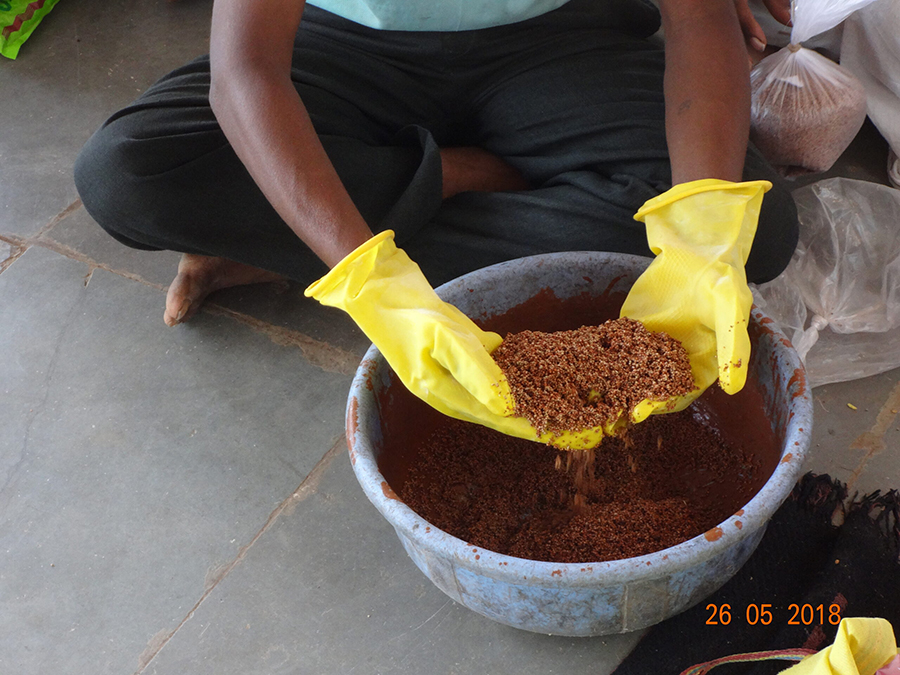
The impact was tangible. Many farmers saw a two- to threefold increase in productivity. The revival effort extended beyond cultivation to include post-harvest improvements and a strong emphasis on consumption revival. Activities included community events, recipe competitions, millet-based product demonstrations, and collaborations with Self-Help Groups and Anganwadi Centres to encourage Nagali consumption among children and youth.
The programme demonstrated that millet revival is not only feasible but replicable. However, its success depends on sustained policy support, including incentives for farmers, Minimum Support Prices, R&D on millet varieties, and access to suitable farming and processing equipment. With continued support from government and civil society, the Nagali revival offers a powerful model for promoting sustainable, nutritious, and climate-resilient agriculture.
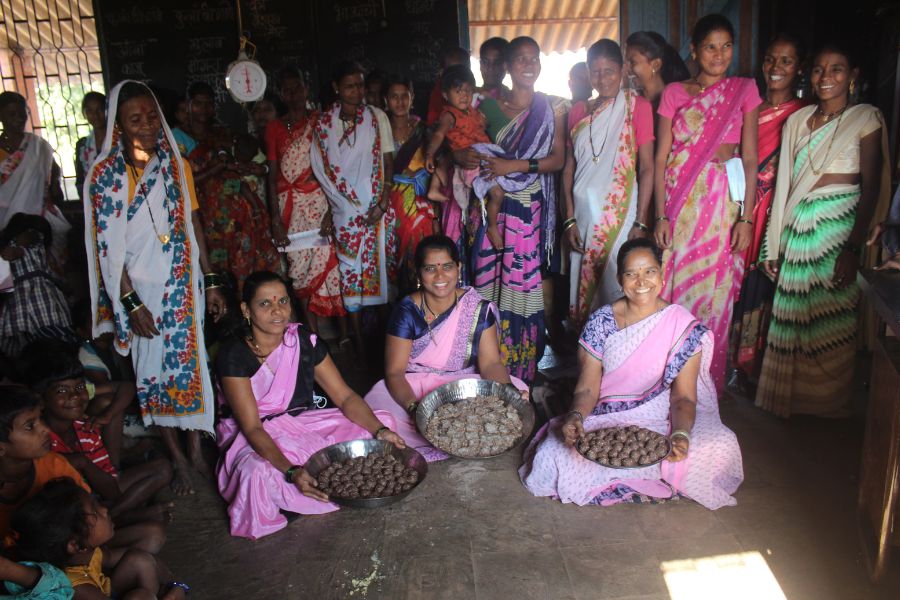
Malnutrition among children is a common problem in our area, from my experience I know that it can be cured by intake of Nagali. Introducing a variety of recipes, like laddus, khir, vadi, would surely make children eat it with delight." - Chandrakala Jadhav, AWW, Shirasgoan, Mokhada, Palghar
Sahabijani means the collective revival of indigenous seeds—a process deeply rooted in farmers’ traditional knowledge, agro ecological wisdom, and community-based experimentation. At a time when climate change is intensifying the vulnerability of smallholder farmers, Sahabijani offers a locally grounded response that prioritizes seed diversity, ecological resilience, and farmer-led innovation. By focusing on regionally adapted finger millet (ragi) landraces, the initiative strengthens local food systems.
This participatory research effort, led by tribal farming communities in Nashik and neighbouring districts, aims to enhance both productivity and resilience through the revival and improvement of indigenous seed systems.
The Sahabijani initiative is essentially a Participatory Varietal Trial (PVT) that seeks to identify, evaluate, and promote promising local landraces of finger millet, recognising their inherent climate resilience and adaptability to local agro-ecological conditions. Earlier experiences in the region demonstrated that even when farmers cultivated finger millet using their own saved seeds, productivity rose significantly—from an average of 2.5 quintals per acre to over 8 quintals per acre. In contrast, standard varieties released by agricultural universities, such as Phule Nachani and Phule Kasari, proved unsuitable to local soil and climate. Building on these insights, Sahabijani places farmers at the centre of varietal selection—reviving traditional seed knowledge, enhancing genetic diversity, and reclaiming seed sovereignty from the ground up.
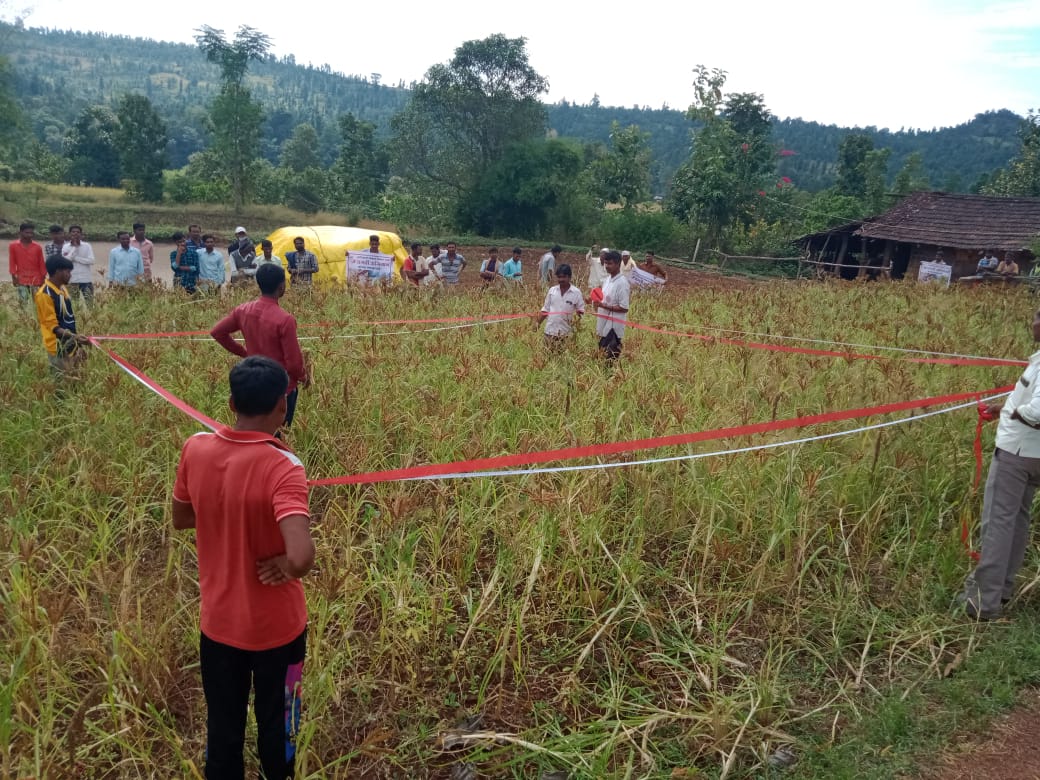
The initiative began with focused group discussions across tribal blocks, where farmers confirmed their preference for local landraces due to their ability to withstand climatic stress. A seed festival held at Jamle village brought together farmers from different regions to share and exchange traditional seeds. A total of 20 landraces of finger millet were collected, which were later screened for desirable traits using phenotypic data from crop cutting experiments. From this pool, nine local varieties were selected, along with Phule Nachani as a check variety.
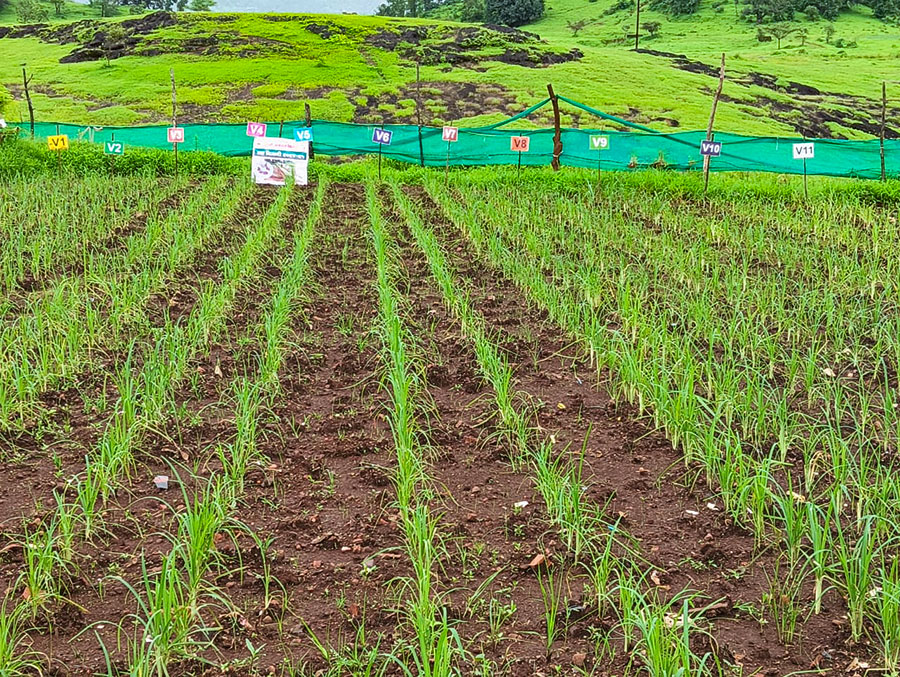
Fourteen farmers from different geographies were chosen to conduct the trials. They were provided with seed kits containing 10 varieties, a rain gauge, and a data manual. These trials are not just scientific experiments but also a means to embed research capabilities and agro ecological awareness among farming communities.
The Sahabijani trials began in June 2024 with an orientation session for participating farmers on Participatory Varietal Trial (PVT) methodology, followed by the distribution of seed kits. Since then, the process has progressed through a series of hands-on training covering practical topics such as line sowing techniques, preparation and use of Jeevamrut, neem oil application for pest management, transplanting methods, and the maintenance of plot-wise varietal records.
As the initiative unfolds, it is steadily expanding—original participants are encouraging more local farmers to engage in systematic trials. New participants are trained not only in cultivation practices but also in observation and record-keeping, strengthening a culture of farmer-led research. At the end of each season, varietal performance is collectively reviewed, laying the foundation for informed seed selection and decentralised decision-making for the following year.
The farmer's response to Sahabijani has been overwhelmingly positive. Participants not only engaged in field-level experimentation but also documented detailed performance characteristics of the different landraces.
Vinayak Bhadange
Barhe village, Surgana
He Noted widespread incidence of pests and diseases particularly fall armyworm, ear head bug, rust, and blight across all varieties. However, varieties V7 and V8 were most affected. Although V7 produced the highest number of tillers (12 per plant), Vinayak preferred V1, V3, and V5, which had 7–9 tillers and yielded 9–11 fingers per tiller, each measuring 7–10 cm. Among them, he considered V1 the most promising.
Mohandas Chaudhari
Sadakwadi, Mokhada
He found varieties V8 and V9 to be the best performers due to their large ear heads and high grain count. These plants grew to a height of 72–80 cm with 2–4 tillers per plant, and each ear head had 9 fingers measuring 8–10 cm, containing approximately 400–450 grains per finger. He observed that V7 was prone to lodging due to its height, while V2 was the latest to flower, marking it as a late-maturing variety. Like others, he reported rust, blight, and fall armyworm across all plots.
Sahabijani represents not just a research intervention, but a community-led process of learning, reclaiming, and evolving seed systems, bringing the farmer back to the centre of agricultural innovation.