
The Issue

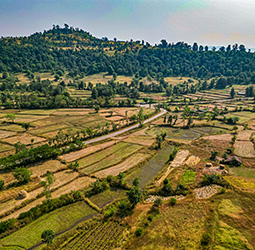
More poor live in rural India than in urban areas

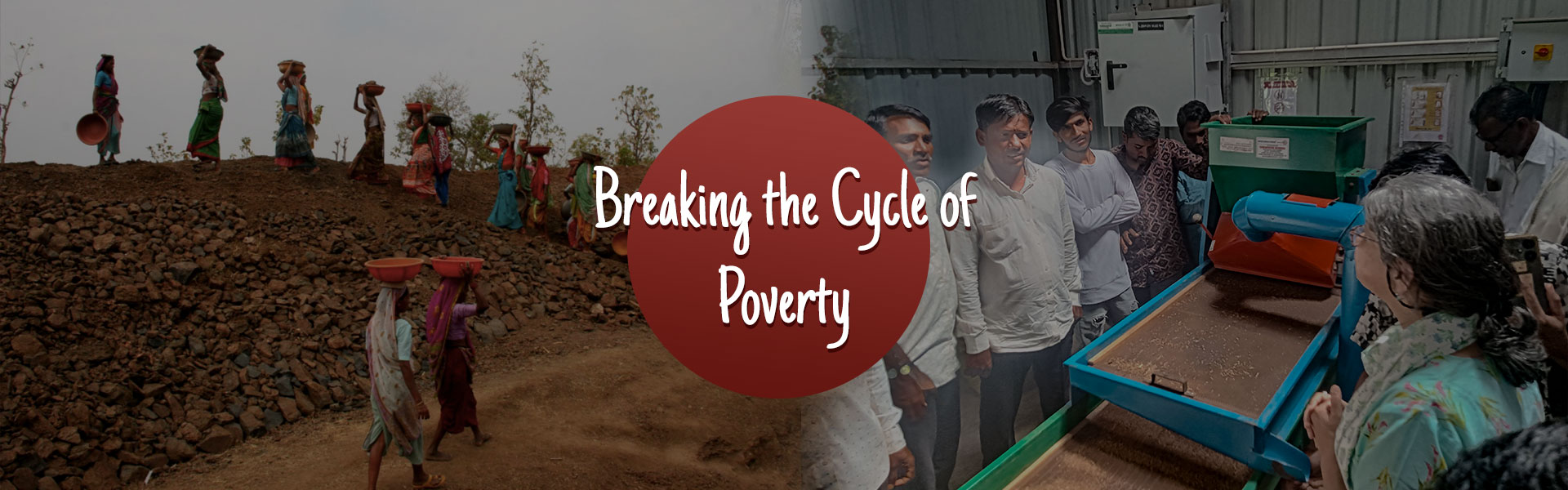
Most rural poor are typically either landless or small landholders with no irrigation facilities. Lack of access to productive resources together with structural marginalisation puts them into the poverty trap.

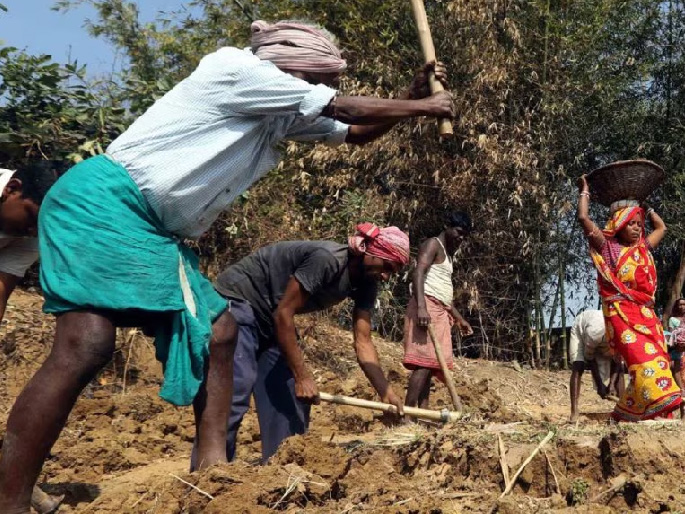
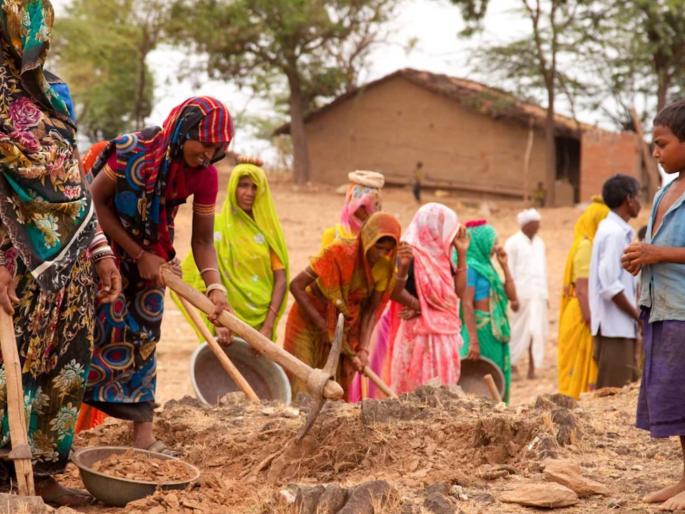
Here comes the role of social legislations to promote and protect the rights of people and upgrade their well-being and quality of life. India has landmark legislations, such as Mahatma Gandhi National Rural Employment Guarantee Act (MGNREGA), Right to Information Act (RTI), Right to Education Act (RTE), Recognition of Forests Rights Act (FRA), and the National Food Security Act (NFSA). All these social legislations have the potential to combat rural poverty, provided we reach out to all marginalized people using public programmes, public institutions, Government legislations and Government funds. With this perspective and approach Civil Society Organisations can help reduce poverty.

Role of Pragati Abhiyan

Pragati Abhiyan works towards developing solutions that create an enabling environment for the poor to break out of the poverty trap. These solutions are in the form of ensuring effective delivery of existing government programs as well as devising new programs to address communities needs, and build evidence through research articulating specific changes in policies. Underlying our work is the strong belief that it is ultimately the mandate of the Government to support the poor in their efforts to move out of poverty.


Our Work

Highlights

PLAY VIDEO PLAY VIDEO PLAY VIDEO PLAY VIDEO

Our Contribution to Sustainable Development Goals

No Poverty
  • Supporting vulnerable Adivasi families through MGNREGA facilitation, livestock support post-COVID, bamboo-based livelihoods, and access to employment opportunities.
  • Strengthening wage-based and asset-based livelihood options.
Zero Hunger
  • Promoting food security through increased finger millet (nagali) cultivation.
  • Supporting improved agricultural productivity and nutritional diversity among small and marginal farmers.
Good Health and Well-being
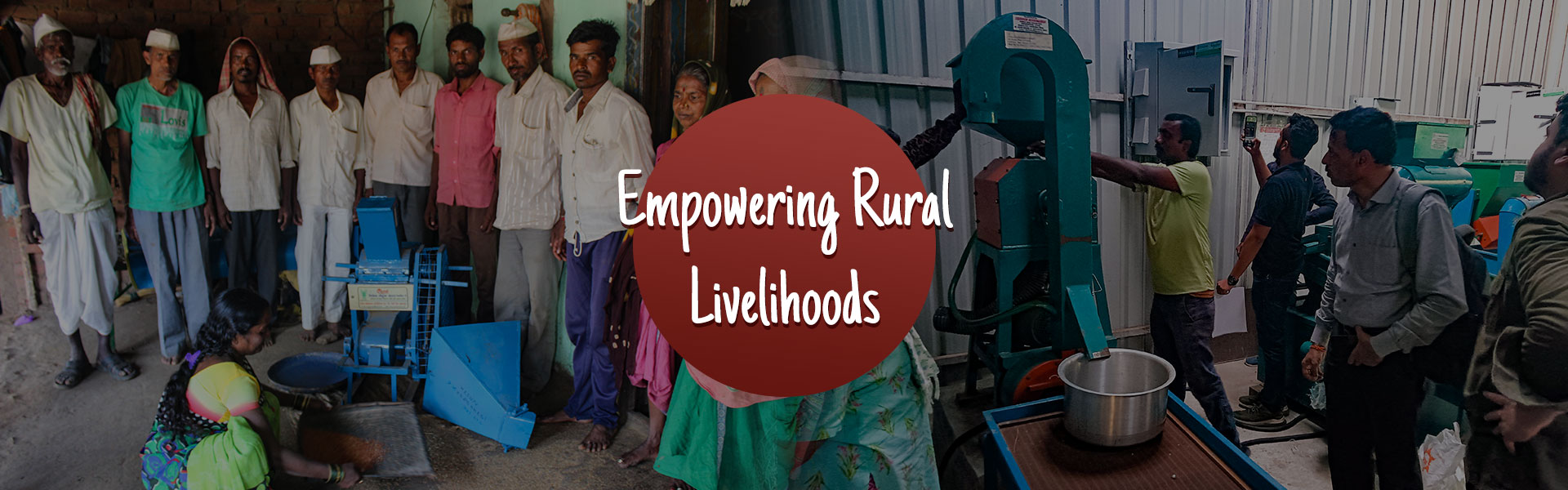
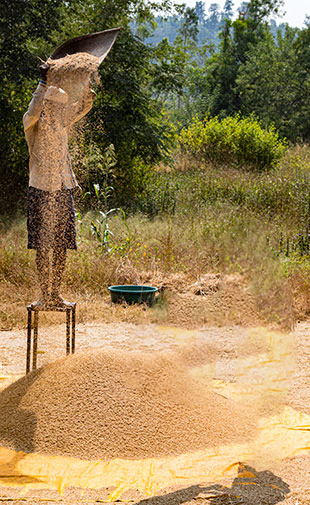
  • Indirectly addressed through reduction in women’s drudgery (e.g., grain processing units, access to local work via NREGA).
  • Work on post-COVID recovery (e.g., family surveys, livelihood support) ensures community well-being.
Quality Education
Training of Trainers (ToTs), skill-building workshops, and grassroots capacity-building for CRPs and FPOs.
Gender Equality
  • Focus on women’s participation in livelihood activities: grain processing, poultry, goat-rearing, FPO management.
  • Reduced drudgery through technology adoption (threshers, clean energy).
  • Capacity-building of women as key decision-makers in farming and work demand processes.
Clean Water and Sanitation
  • MGNREGA planning includes water conservation, watershed management, and structures for drinking water and irrigation.

Go Back Top