Sustainable Livelihoods

Revival of Millets

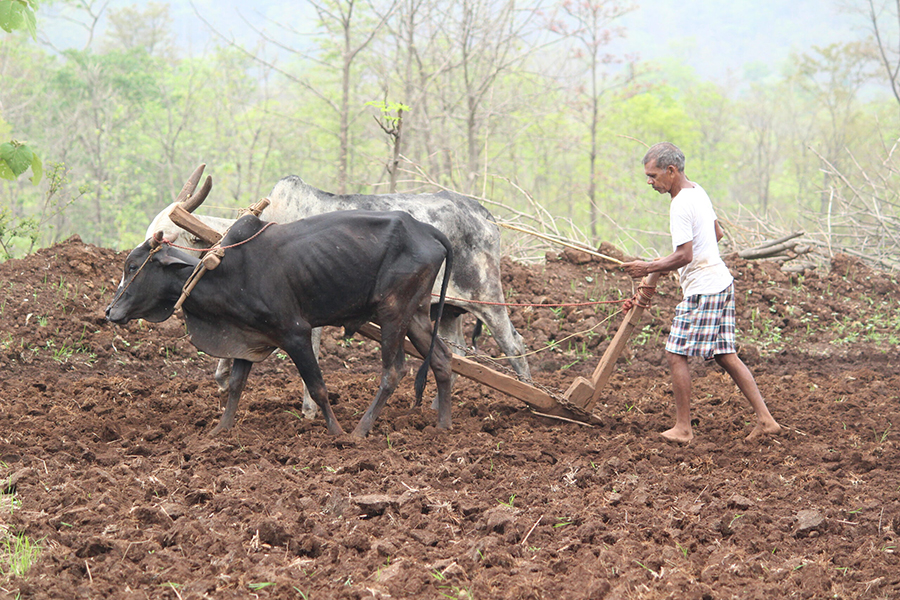
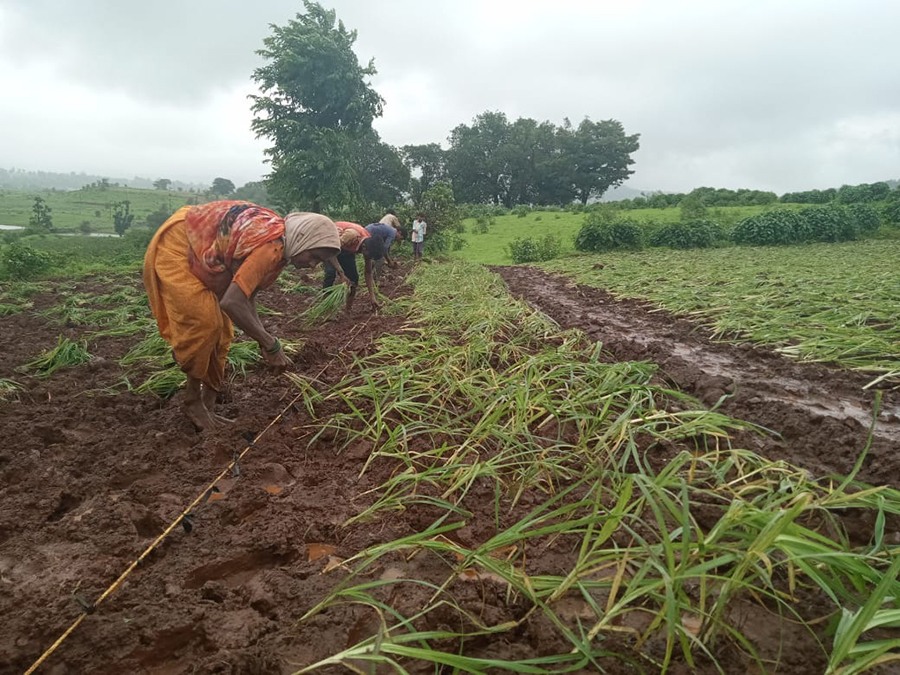
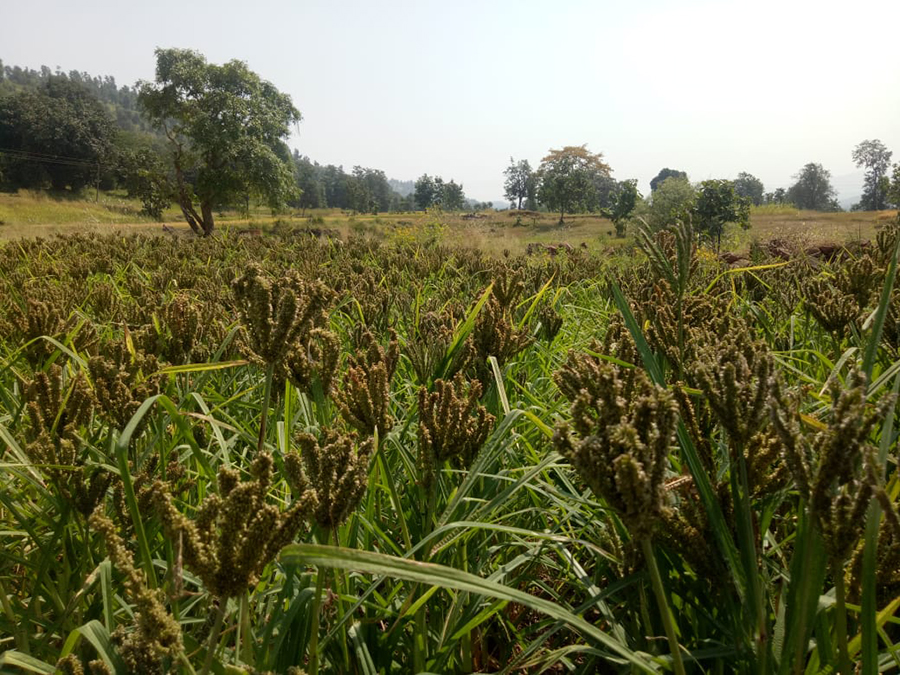
Nagali - also known as Ragi or Finger Millet - has long been a staple in the diets of Adivasi communities across Maharashtra. Rich in nutrition and deeply linked to food cultures, it is a hardy crop suited to hilly, rainfed terrains. However, in recent years, the productivity of Nagali had declined significantly, making it increasingly difficult for farmers to sustain its cultivation.

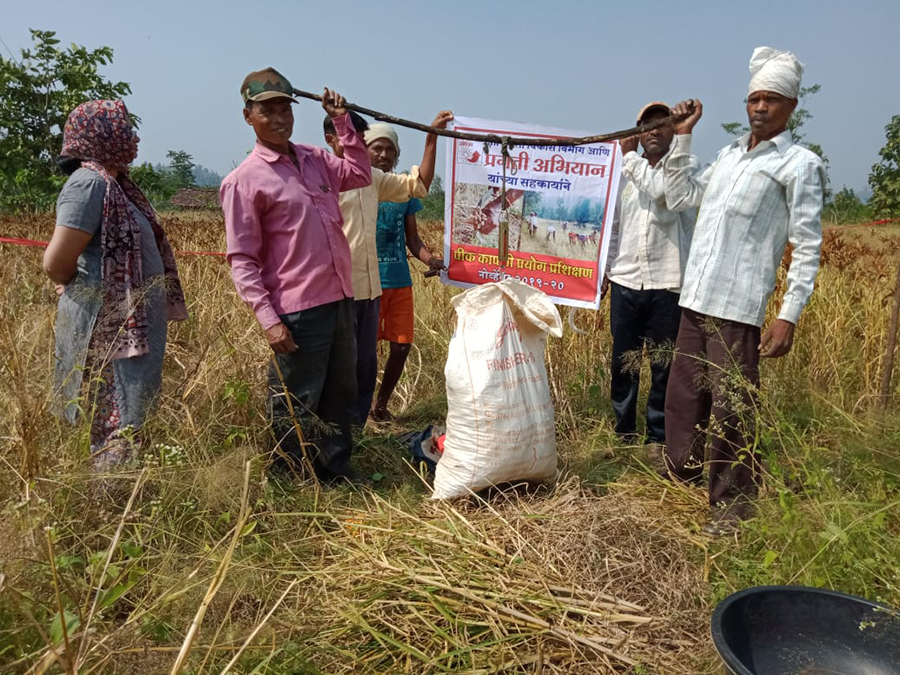
In response, Pragati Abhiyan launched the ANAVIKA (Adivasi Nagali Vikas Karyakram) programme in 2018 as a pilot initiative to improve Nagali cultivation. With technical guidance from the Revitalising Rainfed Agriculture Network (RRAN) and programme support from the Tribal Development Department, Government of Maharashtra, the programme expanded into a full-fledged project from April 2019 to March 2022.

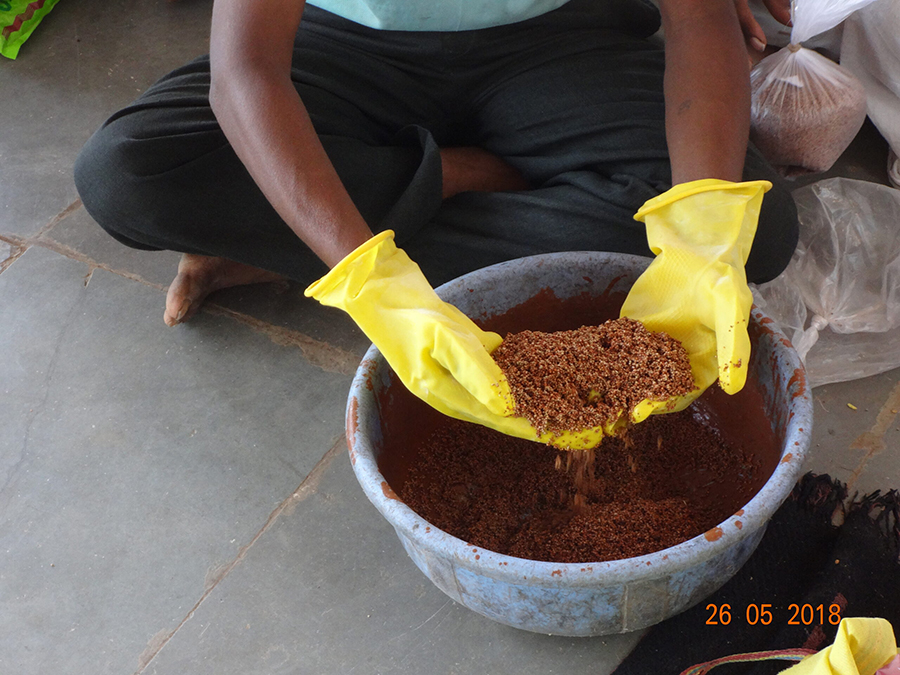
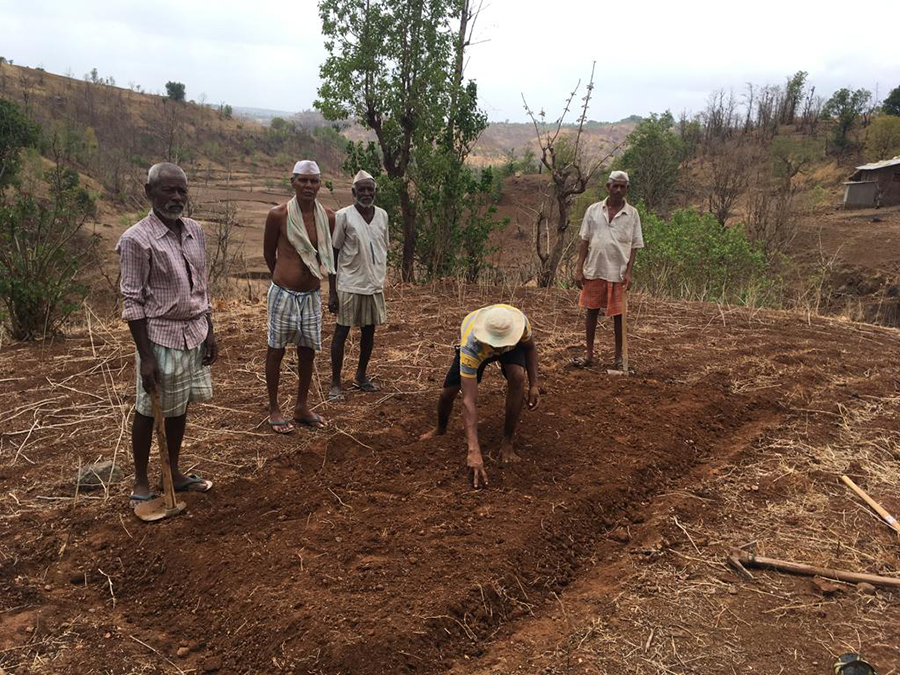
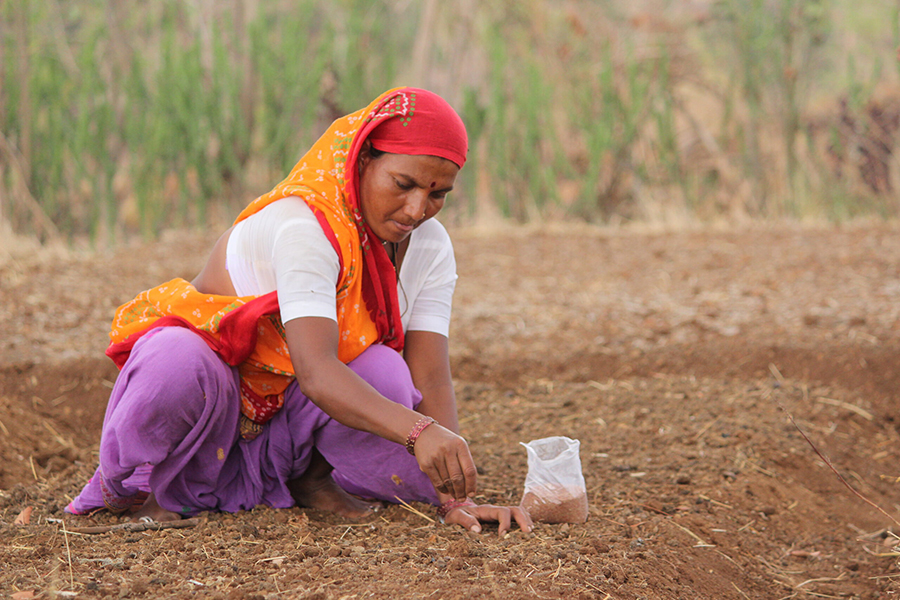
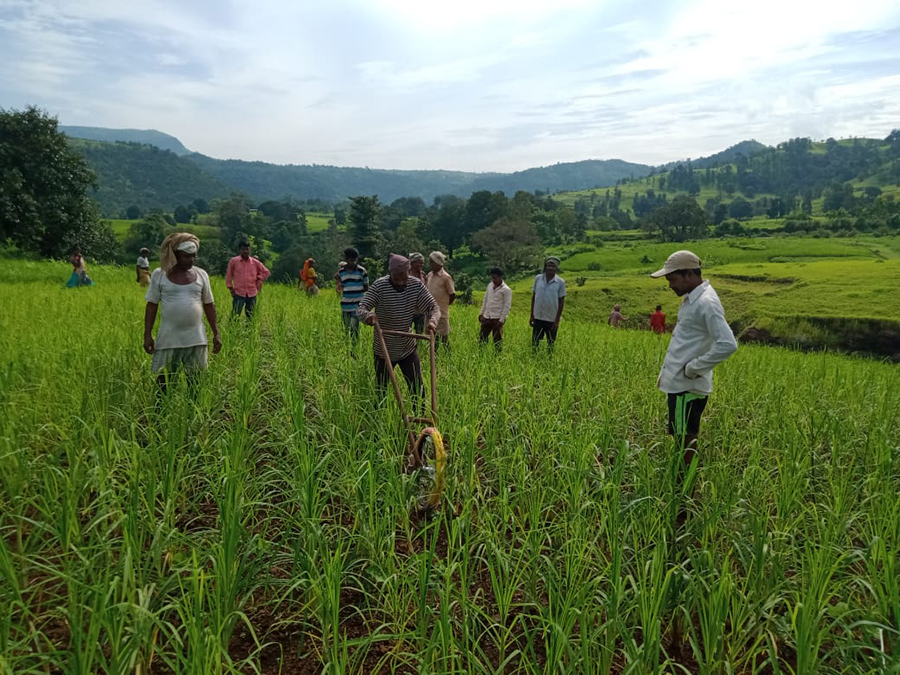
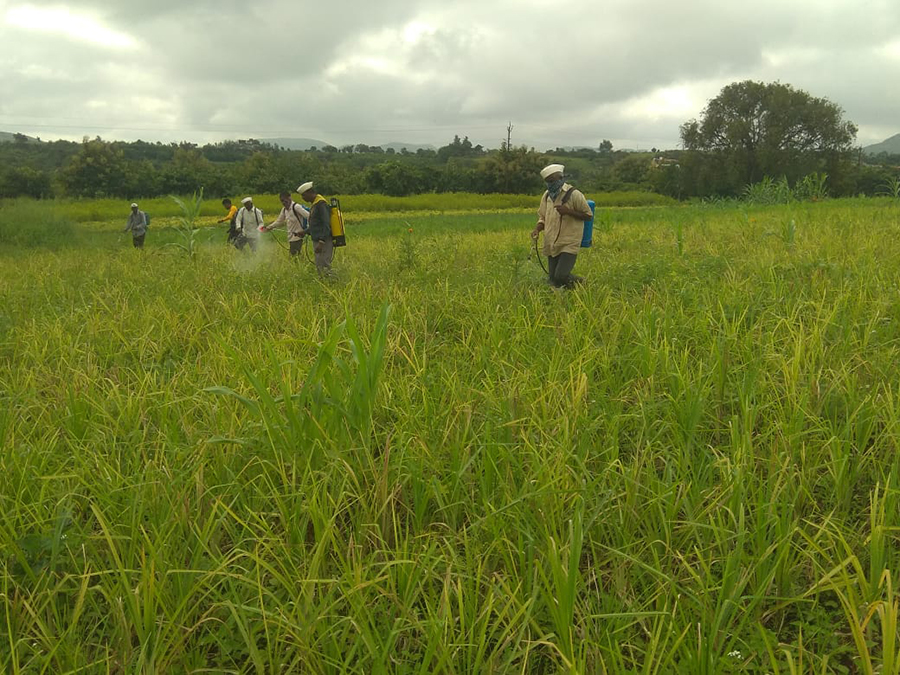
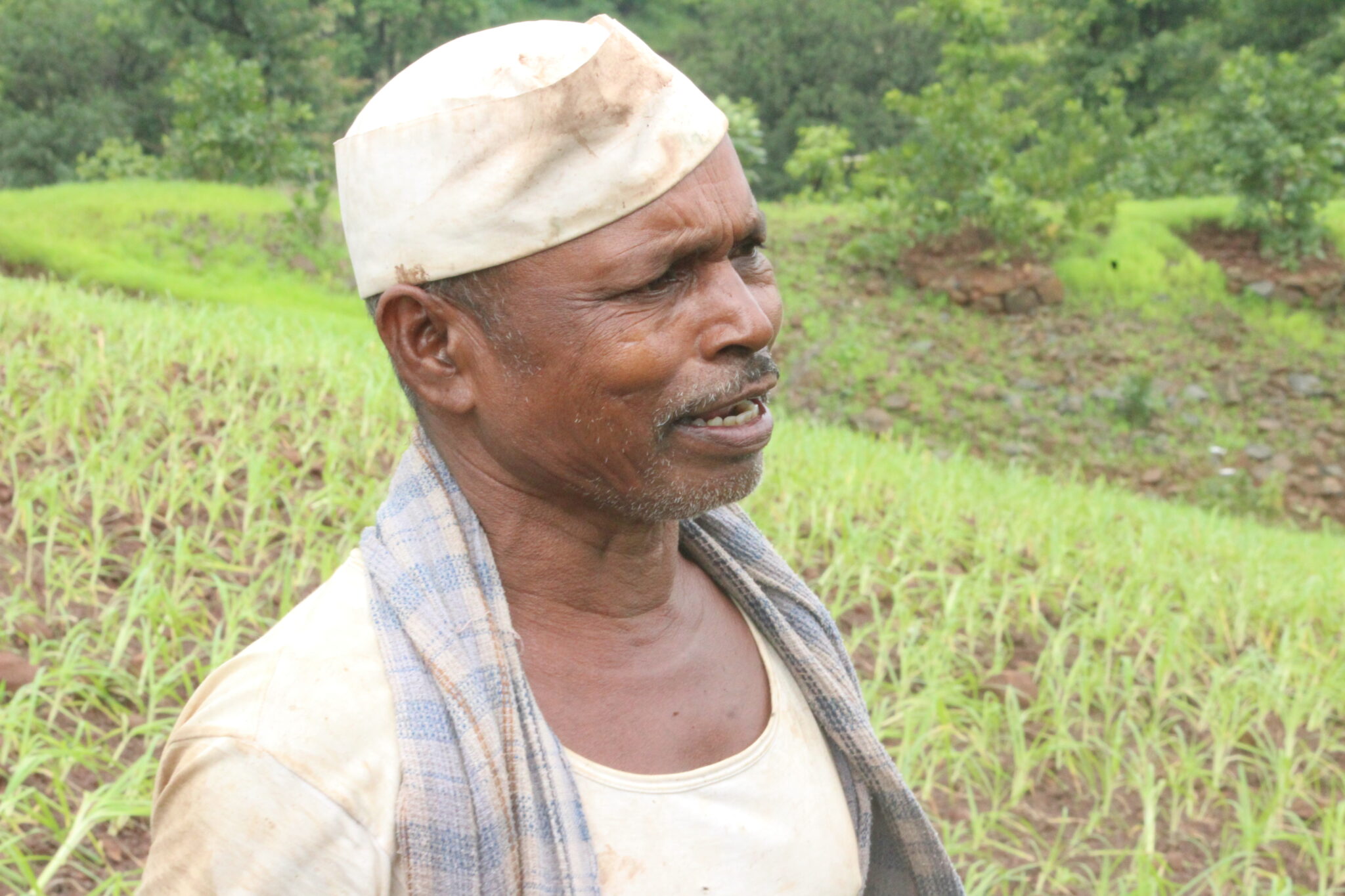
The initiative reached over 2000 farmers across 7 blocks in Nashik, Palghar, and Thane districts. Community outreach was led by a committed team of Cluster Resource Persons, Farmer Trainers, Taluka and District Coordinators, who mobilised participation and built local capacity. Farmers were trained in pest and disease management, organic fertiliser preparation, and new cultivation methods such as nursery bed preparation, line sowing, and seed treatment.

At the core of this initiative was a carefully designed Package of Practices (PoP) developed by Pragati Abhiyan. Drawing from the System of Millets Intensification (SMI) and farmer experiences, this PoP used low-cost, eco-friendly practices that did not increase the labour burden. It relied on locally available materials and was designed to be practical, accessible, and replicable.
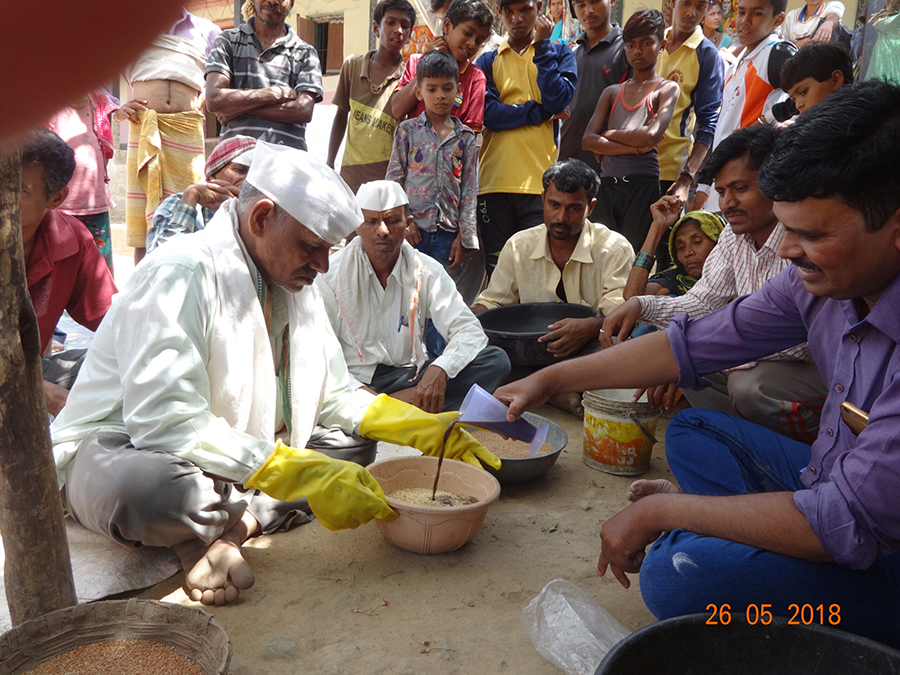
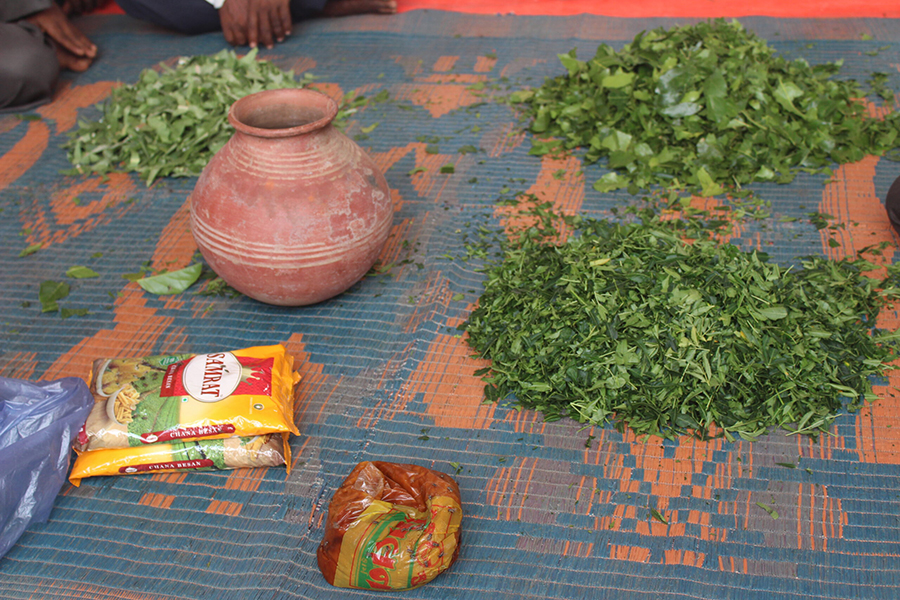
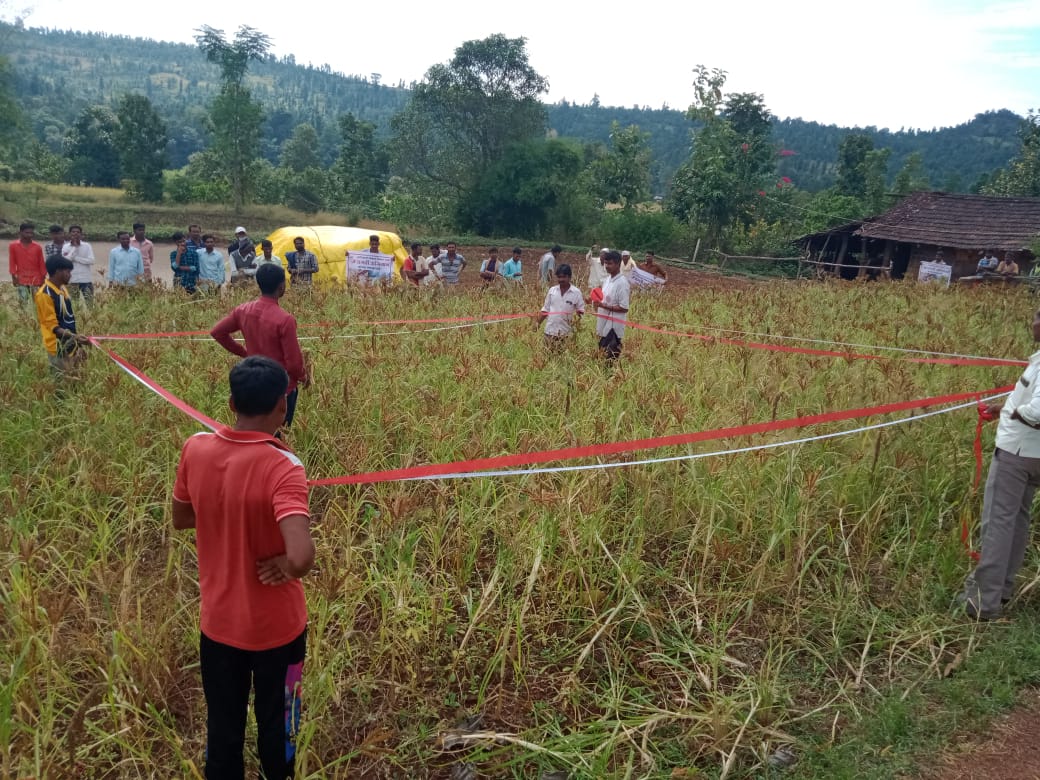
The impact was tangible. Many farmers saw a two- to threefold increase in productivity. The revival effort extended beyond cultivation to include post-harvest improvements and a strong emphasis on consumption revival. Activities included community events, recipe competitions, millet-based product demonstrations, and collaborations with Self-Help Groups and Anganwadi Centres to encourage Nagali consumption among children and youth.

The programme demonstrated that millet revival is not only feasible but replicable. However, its success depends on sustained policy support, including incentives for farmers, Minimum Support Prices, R&D on millet varieties, and access to suitable farming and processing equipment. With continued support from government and civil society, the Nagali revival offers a powerful model for promoting sustainable, nutritious, and climate-resilient agriculture.
Grain Processing Units

As the Nagali project advanced, post-harvest issues came into focus, especially threshing, cleaning, and processing. Since most families used Nagali for home consumption, they managed these tasks themselves. Earlier, women spent long hours threshing by hand. Later, motorcycles and tractors were used, but cleaning remained manual and tiring. The work was hard and time-consuming.

Threshing machines were available for major crops but not for minor millets like Nagali. When we looked for suitable machines, we realised how rare they were. In the first phase, we sourced a few portable single-phase threshers from Ludhiana and Coimbatore. These were easy to use in low-power villages and could be shared across locations. We bought six such threshers. Their use reduced grain loss and saved women’s time and effort. The leftover husk served as fodder.

This experience led us to set up full-scale grain processing centres. These centres included machines for threshing, cleaning, sorting, grading, and pulverising. They helped improve the quality of grain for market sale. Millet Mentor CSO (under the RRA Network and WASSAN) supported us in selecting the right machinery and layout.

We partnered with Pabal Ashram, a vocational school that trains students in machinery and fabrication. Their students and FPO members built the sheds themselves, without contractors. This ensured all the money went into actual construction.

Electricity was a challenge. Selco Foundation stepped in with solar-powered solutions. Now, all machines run on solar energy.These centres are managed by three Farmer Producer Organisations (FPOs), one each in Trimbakeshwar, Peth, and Surgana. They now operate the centres independently and are building them into viable local enterprises.

Millets Field

Bamboo-based Livelihood

Millets Field

For Adivasi communities living near forests, bamboo has always been part of everyday life. It is used to make baskets, rainwear, fishnets, storage containers, compound walls, and other household items. Scattered bamboo plants around homes and farms have traditionally supported these needs.

In recent years, bamboo has gained new significance as a sustainable, eco-friendly alternative to plastic. This growing interest opens up economic opportunities for small and marginal Adivasi farmers, provided the existing bamboo around their fields is harvested and marketed systematically.

Recognising this potential, Pragati Abhiyan, in collaboration with the Maharashtra Bamboo Promotion Foundation, is implementing a bamboo-based livelihood initiative in partnership with eight Farmer Producer Organisations (FPOs) located in the Adivasi-dominated blocks of Nashik district. This ongoing project aims to unlock the economic potential of scattered bamboo by enabling its sustainable harvesting and trade through local FPOs. It is grounded in the belief that bamboo can serve as a valuable supplementary income source for small and marginal farmers when supported by strong institutional mechanisms.

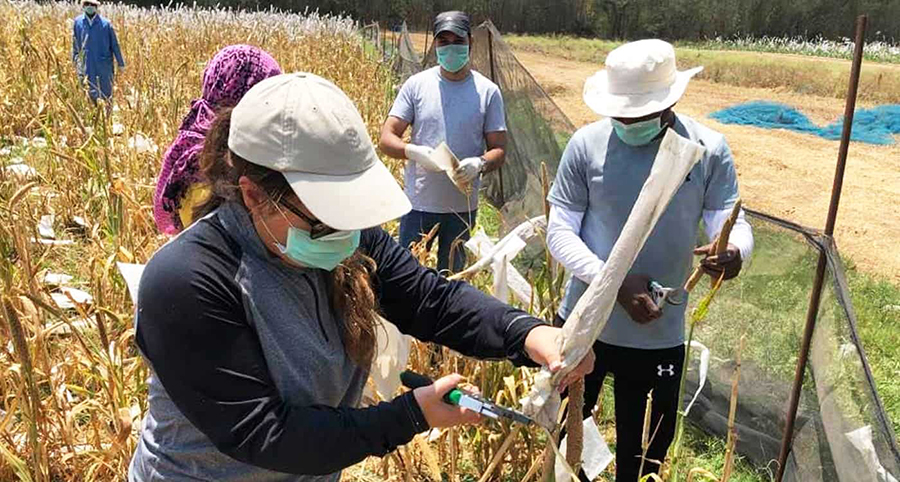
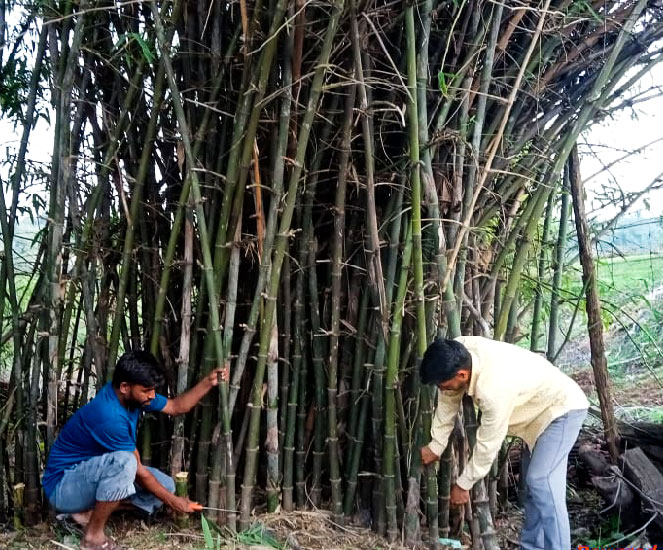
The initiative focuses on training bamboo cutters and local youth—referred to as Bamboo Mitras—in scientific harvesting techniques, while facilitating the aggregation and sale of mature bamboo through the FPOs. A large-scale mapping exercise, carried out using the KOBO Collect app, is underway to document the availability of bamboo, clump types, and farmers’ current practices across the region.

To support field operations, essential tools such as secateurs, axes, sickles, and gloves have been distributed to participating FPOs. Working capital has been directly transferred to their accounts to facilitate bamboo procurement, pay harvesters, and establish local depots. In addition, a district-level Bamboo Project Committee has been formed to strengthen coordination, resolve field-level challenges, and promote peer learning through monthly meetings attended by FPO CEOs and directors.

The intervention has already led to a major milestone: the first-ever commercial sale of bamboo by these FPOs. For many of the participating farmers, this marked their first income from bamboo planted years ago. The trade—focused primarily on the Manvel and Katang varieties—was facilitated by FPOs and sold to traders supplying bamboo for agricultural use. This early success has boosted the confidence of the FPOs and reaffirmed the feasibility of collective marketing and enterprise-led bamboo value chains.

As the project progresses, attention is being paid to expanding outreach, understanding farmer preferences around bamboo sales, and encouraging new shareholder participation in the FPOs. The initiative demonstrates that with the right blend of training, financial support, tools, and institutional collaboration, bamboo can evolve into a sustainable livelihood option for tribal communities in the region.

Livestock

After the second wave of COVID-19, some tribal villages in Nashik district began reporting infections and deaths. We conducted a rapid survey to identify families that had lost earning members aged between 20 and 60. We found 35 such families.

Pragati Abhiyan invited them for a discussion. Together, we assessed their existing resources and explored options to support livelihoods. Many families chose livestock, mainly goats and poultry, while a few opted for small non-farm enterprises like tailoring, grocery shops, or bangle stalls.

We selected local breeds of goats and poultry that families were already familiar with - easy to care for, available in local markets, and easy to sell. After distribution, we trained the main caregivers, mostly women, on shelter, feed, health care, and vaccination.

We closely monitored the first cycle of rearing and selling. Over time, families completed three cycles successfully. Many now raise livestock independently and earn regular income.

Millets Field

Case Studies

Go Back Top